#
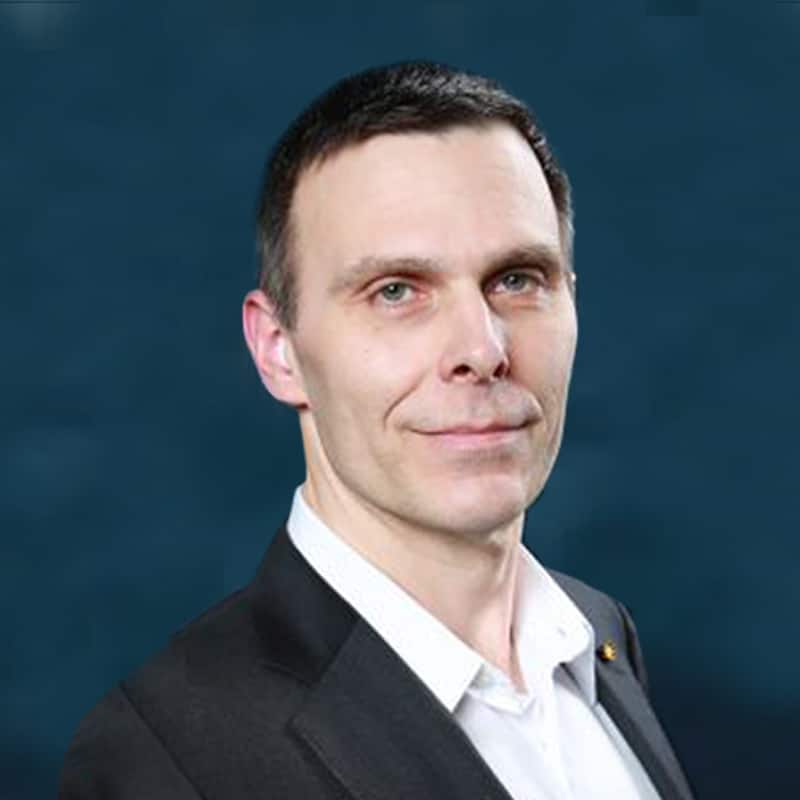
Dr Matt Kaeberlein is a Professor of Pathology, Adjunct Professor of Genome Sciences, and Adjunct Professor of Oral Health Sciences at the University of Washington. His research is focused on the basic mechanisms of aging in order to facilitate translational interventions that promote healthspan and improve quality of life.
Dr. Kaeberlein is also a co-director of the Dog Aging Project, in Washington, which is investigating the use of rapamycin as an intervention to enhance canine longevity.
Summary
(03:11) What drew Matt to studying the science of aging
He attended a talk at grad school by Prof. Leonard Guarente about how we can use genetics and molecular biology to study the biological aging process in single cells
Matt was drawn to the that fact you could use these tools to understand something so complex
Matt likes to apply his knowledge from the clinical world to the real world
(05:26) Understanding healthspan
Lifespan is the measure from birth to death, which is a very simple measurement
One definition of healthspan is ‘the period of life spent in good health free from chronic disease and disability’
Healthspan is a qualitative concept
The goal of geroscience research is to maximise healthspan
People are after a longer healthspan than a longer lifespan
Matt touches on that traditional medicine has extended the average lifespan, but healthspan has not proportionally grown as much
Traditional medicine is given to people when they are sick, whilst geroscience is targeting the biology of aging to prevent people from getting sick in the first place
(12:07) How much is known about the aging process?
Over the last two decades there has been a significant advancement in the study of aging at a cellular level
One of the ‘hallmarks’ of aging is a decrease in resilience, which causes an increased risk in fatal diseases and a decline in the ability to recover from physical and environmental stress
Homeostasis is the ability to maintain one’s optimal physiological state ‘ the younger you are, the quicker you are able to return to your optimal state
(15:47) How can people learn what is best for them in relation to their aging process?
It’s important to pay attention to what’s right for you, in terms of energy levels, how you feel, etc.
At a general level, maintain a healthy weight and avoid simple processed carbohydrates
Most nutritional research in aging comes from mouse studies, which Matt believes doesn’t translate precisely for humans
Find a strategy that works for the long-term and doesn’t leave you feeling deprived
There is no solid evidence to suggest that we should revert back to the diets of our ancestors
(25:30) The correlation between calorie restriction and healthspan
There is a rough linear connection between calorie restriction and lifespan, e.g. a third of mice in a study had a 30% restriction in calories which increased their lifespan by 30%
However, humans are much more genetically diverse compared to mice and there is no way to determine if you are in that third
The best way is to get yourself to a health weight and stay there
(28:37) Are there reliable biomarkers to monitor the consequences of aging?
The epigenetic aging clock refers to markers in our DNA which are measured as we age, which helps predict where we are chronologically
It’s good to monitor where people fit in line with their chronological age
Science is getting closer to having a toolkit to measure multiple aspects of aging, which gives us tools to test interventions
(34:03) Are there any leading prescriptions or supplements that can help with aging?
Exercise that is a mix of resistance and cardiovascular is the most important intervention
Work on the foundation first: sleep, food and exercise
The benefits of supplementation is less impactful than having the above foundation
Nothing has been clinically validated to prove that a certain supplement can help to positively modulate the biological aging of humans
Rapamycin has clearly and robustly proven beneficial in animal studies
Always consider the risk-reward of prescriptions or supplements, e.g. side effects
(42:13) What is rapamycin?
It was first discovered on Easter Island and has anti-fungal and anti-cancer properties
It was first clinically developed to prevent organ transplant rejection
There is some evidence in mice studies of rapamycin reversing some aspects of aging, including improving the function of organs
Matt had a frozen shoulder, which is a chronic age-related inflammatory condition, and he took rapamycin to treat it ‘ within ten weeks he recovered, but he can’t prove that it wasn’t a placebo effect
(55:23) The Dog Aging Project
It focuses on the animal model of dogs for research
Dogs are much closer to us, and as pets they generally have something unique to us ‘ they share our environment
Follow the podcast
The 1% Podcast brings together the 3Ps of People, Professions and Performance. We chat to top-class performers from eclectic areas (sport, business, politics, art etc.) to extract the tactics, tools and routines you can use to get 1% better and achieve success.
" height="24px" id="v04r379mL" transform="translate(2 0)" width="19.536000000000005px"/></svg>)
" height="23.999264284236244px" id="ghOdDMk_v" transform="translate(0.001 0)" width="24.000264254861435px"/></svg>)