#
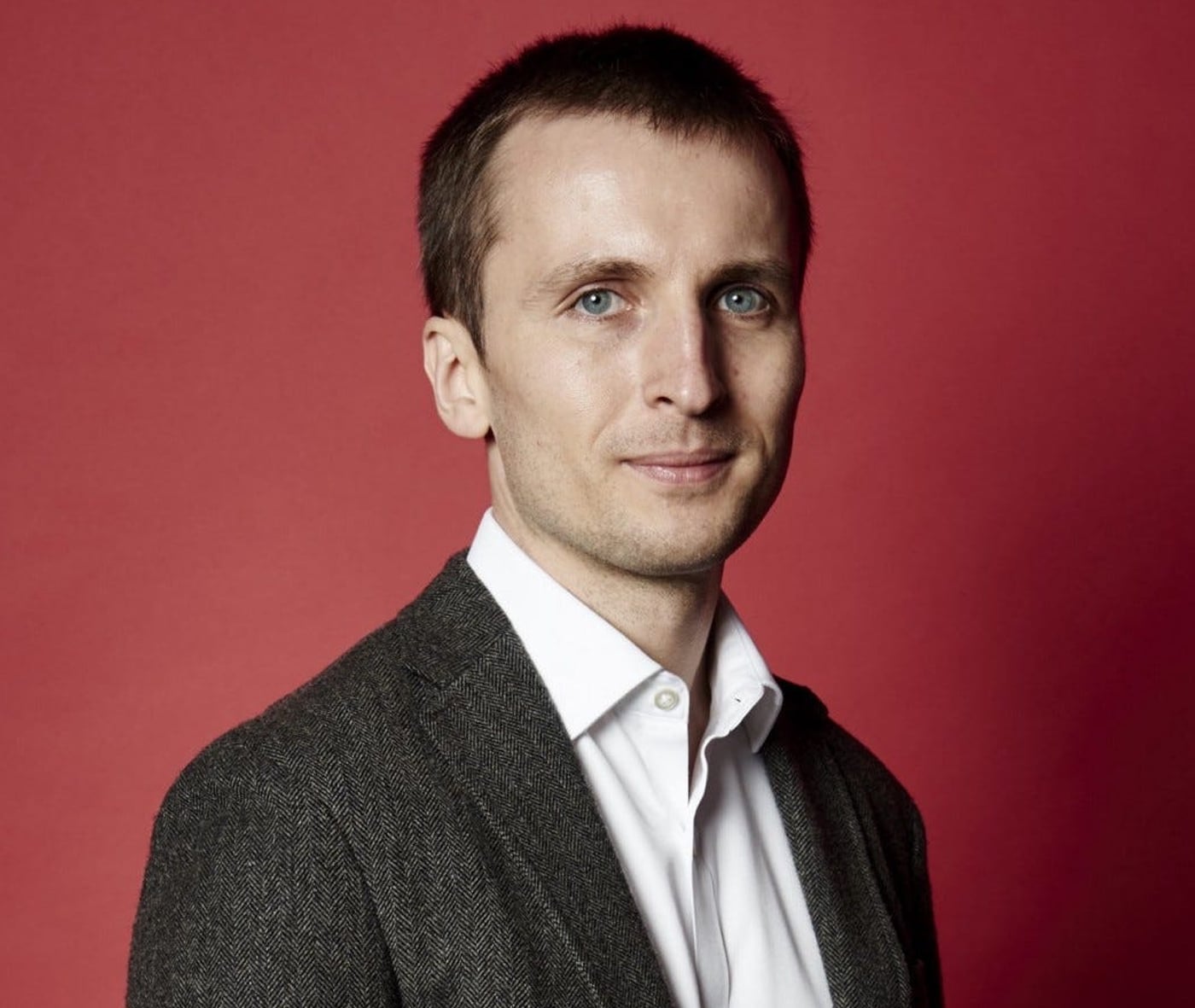
After stepping down as the founder and CEO of Makers, one of the UK’s leading coding boot camps, Evgeny Shadchnev became a certified professional coach specialising in helping entrepreneurs through CEO succession. In his new book, Startup CEO Succession, A Founder’s Guide to Leadership Transition, Evgeny draws on firsthand experience of stepping down as a founder CEO and as a certified professional coach, guiding other CEOs through the same journey.
From reflecting on our deepest motivations to choosing the successor and executing a smooth succession plan, Evgeny helps entrepreneurs and CEOs along with their boards to navigate leadership succession when the stakes are at their highest.
Summary
(07:18) Why did Evgeny Shadchnev start the company and what were the initial challenges faced?
He began his company to step back from daily challenges, aspiring for broader business perspectives.
There is a constant balance between long-term vision and immediate issues.
Significant personal growth and shifting values over time as a founder.
(12:45) The impact of chronic disengagement on leadership and the organisation
It leads to burnout, affecting both personal well-being and organizational culture.
A disengaged CEO struggles to lead a motivated, high-performing team, exemplifying the extensive impact of a leader’s mental state.
Advocates for servant leadership but warns of neglecting a leader’s own needs.
It is important to recognise personal limits for sustainable leadership.
(18:30) Views on finding a “true calling” and career reflection
Evgeny doesn’t believe in a single, unchangeable calling; it evolves over time.
Continuous self-reflection is vital rather than seeking definitive career answers.
Have an ongoing feedback loop adjusting one’s career path with continuous personal querying.
(23:52) How important is internal learning and reflection for professional development?
Learning about oneself is as important as acquiring external skills.
Fields like psychology where internal reflection is already a key practice.
Integrate reflective practices in training across various professions to boost development.
(31:05) Managing leadership transitions and the involvement of outgoing CEOs
Importance of involving outgoing CEOs in successor selection for their unique insights.
Effective succession with Claudia Harris was appropriate for the company’s future direction.
There is a need for honest communication during transitions, though not fully transparent for personal issues.
(39:40) What are the effects of stepping down as a CEO and taking new career pathways?
Have a rest period, explore new opportunities, or join larger companies fitting within advisory roles.
Consulting with experienced individuals and new professional openings.
(47:23) How do financial incentives and communication with boards affect CEO retention?
Financial motives alone won’t retain a disengaged CEO.
Have ongoing, transparent communication between the CEO and board to address personal and business challenges.
Deliberate discussions about potential transitions prove beneficial in preventing abrupt changes.
(54:12) What advice would you give to potential founders struggling with identity fusion and considering stepping down?
There is a common struggle of separating personal identity from the company.
Suitability for CEO roles often emerges through experience, not prediction.
Loss aversion and emotional investment are challenges for founders contemplating stepping down.
(1:03:17) How did stress factors influence Evgeny Shadchnev’s decision to step down?
Closing an investment round, personal divorce, and team departure collectively led to his decision.
Advises founders to reconnect with why they started their company, paralleling career reassessment advice.
His book encourages open dialogue among founders about stepping down or persisting.
Follow the podcast
The 1% Podcast brings together the 3Ps of People, Professions and Performance. We chat to top-class performers from eclectic areas (sport, business, politics, art etc.) to extract the tactics, tools and routines you can use to get 1% better and achieve success.
" height="24px" id="v04r379mL" transform="translate(2 0)" width="19.536000000000005px"/></svg>)
" height="23.999264284236244px" id="ghOdDMk_v" transform="translate(0.001 0)" width="24.000264254861435px"/></svg>)