#
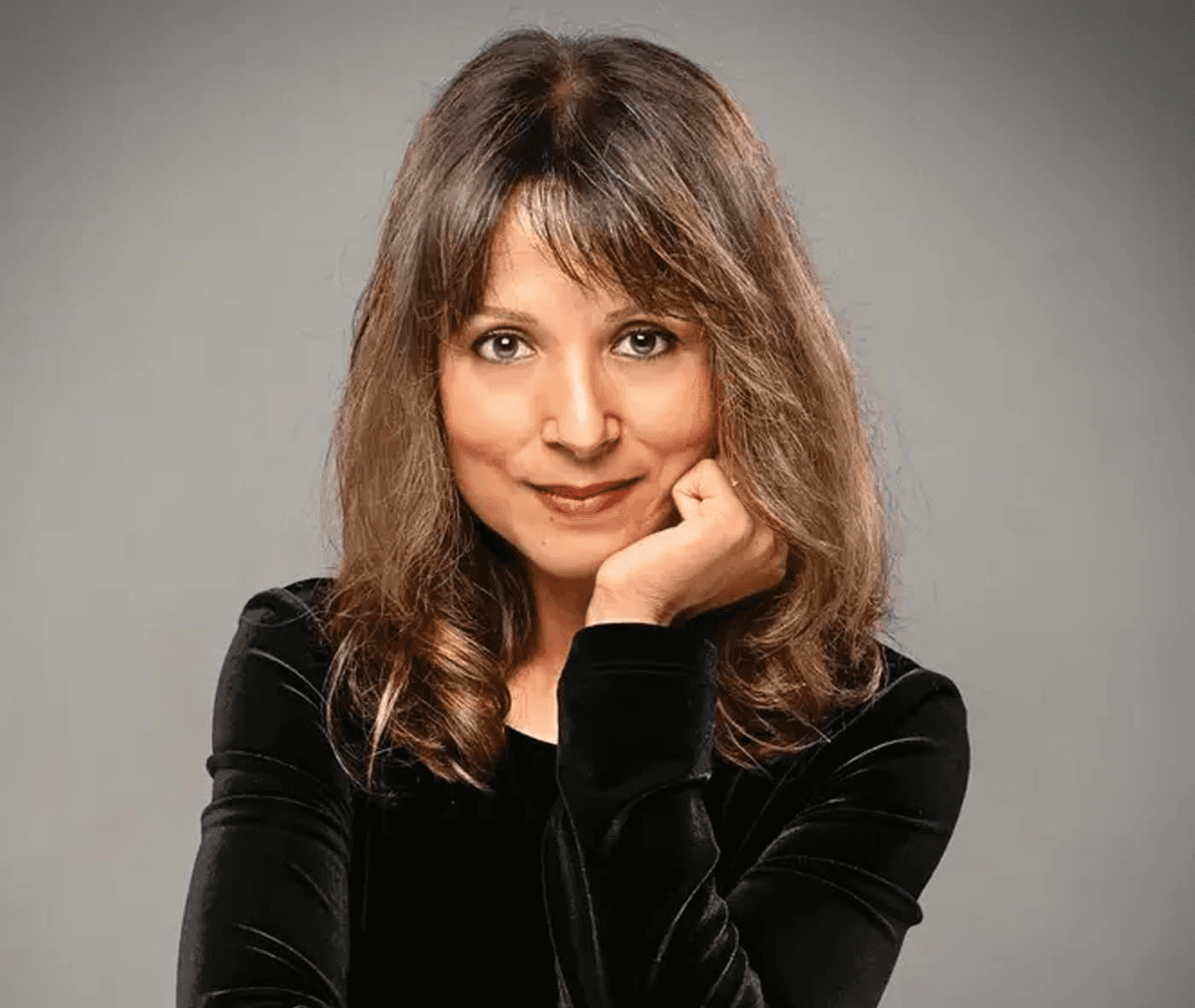
Fuschia Sirois, PhD, is a Professor of Social and Health Psychology at Durham University and a former Canada Research Chair in Health and Well-being. Her research focuses on understanding the psychological factors and qualities that influence risk or resilience for physical health and well-being outcomes through self-regulation and emotions.
For over 20 years, she has studied the causes and consequences of procrastination, particularly its health effects, and how emotions play a key role in why people procrastinate. Her research also explores the role of positive psychology traits, states, and interventions in supporting self-regulation and enhancing health and well-being.
She has authored over 120 peer-reviewed journal papers, presented over 200 conference papers, edited two books, and in 2022 released her first book,Procrastination: What It Is, Why It’s a Problem, and What You Can Do About It.
Summary
(02:52) How would Fuschia define procrastination?
Procrastination is a specific form of unnecessary, voluntary delay.
It involves delaying an important task without good reason, despite potential negative consequences.
The key aspect is an emotional reaction to a task, not time management or motivation issues.
(07:06) How has Fuschia dedicated over twenty years to studying procrastination?
Fuschia’s interest in procrastination began serendipitously while studying health psychology as a PhD student at Carleton University.
She was drawn to investigate the link between procrastination and health after a study showed surprising health markers among procrastinating students that later reversed.
Collaboration with Tim Pychol, an expert in procrastination, led Fuschia to explore both the consequences and causes of procrastination.
Her research also ties into interests in positive psychology.
(08:44) How does Fuschia define procrastination?
Fuschia follows the unified research definition: procrastination is a type of delay involving an important task.
It’s an unnecessary and voluntary delay, not due to external reasons such as an urgent task or an emergency.
Procrastination occurs despite intentions to complete a task, with awareness of potential negative consequences.
It’s distinguished from simple delay by involving significant personal emotional and volitional factors.
(11:19) Why do we procrastinate according to Fuschia?
Emotions are central, with procrastination driven by avoiding negative emotions like insecurity, fear, dread, and anxiety.
People often procrastinate not because of the task itself but due to aversive emotional responses to the task.
It’s subjective, linked to personal emotional transactions with the task rather than the task’s objective nature.
(14:39) What’s the link between procrastination and self-regulation?
It’s not just about task delay but also the struggle to regulate internal states, emotions, and impulses.
Impulsivity can make disengaging from negative emotions easier, but emotions are the core trigger.
The struggle lies in managing emotions internally rather than avoiding them through procrastination.
(17:30) Can procrastination be linked with perfectionism, self-confidence, or anxiety?
Perfectionism, especially self-critical types, has a strong link to procrastination.
Perfectionists may procrastinate due to fear of not meeting high standards or preserving a perfect vision of the task.
Procrastination can occur if individuals lack self-confidence or anxiety about their ability to complete a task satisfactorily.
(24:05) How do procrastinators compare to non-procrastinators in terms of work ethic and personal enjoyment?
Research shows procrastinating students may engage less in ethical study practices, like cheating or making false excuses.
Despite claims of working best under pressure, procrastinators usually achieve lower performance.
The stress of last-minute work undermines well-being, contrary to beliefs that adrenaline highs improve work quality.
(38:06) What are the emotional and practical consequences of habitual procrastination?
Procrastination is linked to mental health issues like anxiety and depression, which also make procrastination more likely.
Stress levels in procrastinators are higher, impacting immune function and health.
Chronic procrastination may relate to poor heart health and adverse health habits like poor dieting and lack of exercise, exacerbated by stress.
Follow the podcast
The 1% Podcast brings together the 3Ps of People, Professions and Performance. We chat to top-class performers from eclectic areas (sport, business, politics, art etc.) to extract the tactics, tools and routines you can use to get 1% better and achieve success.
" height="24px" id="v04r379mL" transform="translate(2 0)" width="19.536000000000005px"/></svg>)
" height="23.999264284236244px" id="ghOdDMk_v" transform="translate(0.001 0)" width="24.000264254861435px"/></svg>)