#
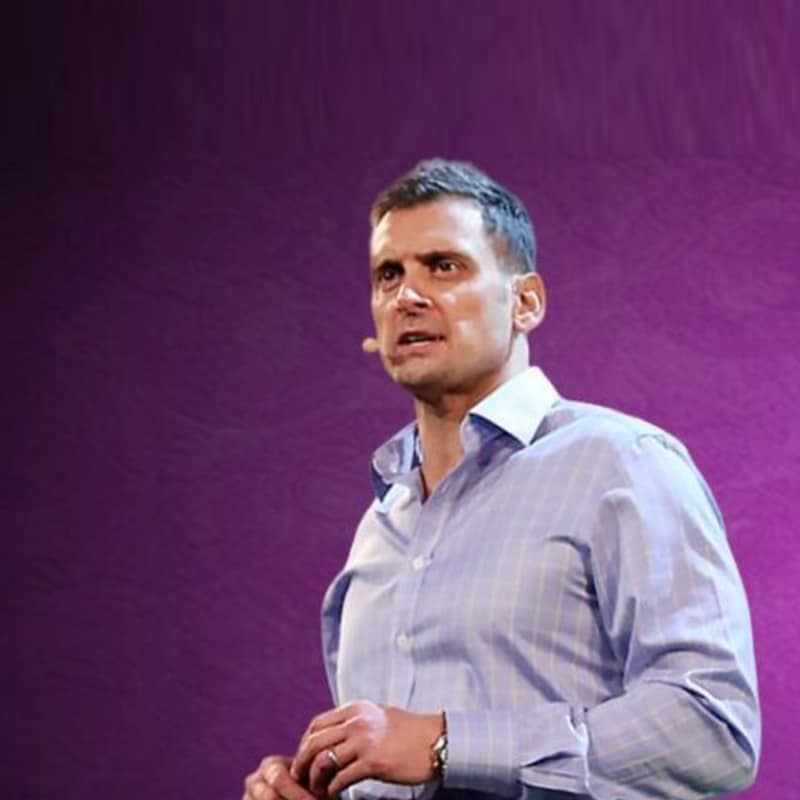
Jamil Qureshi (@Jamil_Qureshi) is one of the foremost practitioners of performance psychology and an expert in high performance. As the co-founder of several change agencies “ We Do Things Differently, Loudhouse and JQED ” Jamil has worked with a rich diversity of the most talented business and sportspeople and teams in the world.
In 2006, he was appointed as the first-ever official psychologist to work with the European Ryder Cup team. They made history in winning by a record-equalling margin. In addition, Jamil has worked with 22 golfers inside the top 50 in the world, including two world number 1’s. His clients have included Darren Clarke, Lee Westwood, Henrik Stenson, Paul McGinley, Graeme McDowell, Paul Casey, Thomas Bjorn and Sergio Garcia.
Ranked among the most influential figures in British sport in 2009, Jamil was voted in the top 100 most powerful men in golf 2008 by his international peers. And it doesn’t stop there.
Jamil has worked successfully with three English Premiership football clubs, one of which reaching a record position from its halfway point in the season. He has worked with footballers from Manchester United FC, Manchester City FC, Liverpool FC and Chelsea FC, Fomula 1 drivers David Coulthard and Eddie Irvine and the 2009 England Ashes-winning cricketers.
Summary
(2:57) First career steps
His start in the corporate world despite a passion for psychology
The seemingly random jobs and choices he made trying to find himself and his passion: ‘I said yes to everything’
Being discovered at a mind-reading show
(5:20) Jamil’s approach to performance psychology
Why having no interest in golf made him a better psychologist to golfers
The similarities between working with athletes and CEOs
His focus on simple, practical tips
(8:32) Important psychological principles
There is no ‘one size fits all’ solution for everyone
The 2 most important theories:
‘Being motivated by what we’re seeing to achieve rather than what we’re seeking to avoid’
Identifying your purpose
(9:56) Finding your purpose
‘Asking why five times’ to discover your core beliefs
Looking to children to relearn how to ask questions and dig deeper
(11:36) Attitude
The foremost importance of attitude
Limitations of technical expertise
Why applying growth mindset principles is difficult
Our tendency to look for quick fixes
(14:16) Thinking differently
The ‘Fosbury Flop’ as an example of thinking differently in the field of high jumping
Using gamification to think differently
Reading suggestions: why business books might not help you grow your business
(17:34) Ownership
How to get employees to take ownership:
permission
accountability
removing the fear of failure
(19:01) Inner negative voices
How we need to translate instead of listen to these voices verbatim
Paul McGinley and how he dealt with critical voices before an important putt
The power of our intuition and how to trust ourselves
(22:04) Motivation and resilience
The ups and downs in performance: what gets in the way
Why playing is learning: lessons from early childhood
(24:48) The role of a sports psychologist
Our changing attitudes towards sports psychology
The importance of regular psychological consultations even when things are going well
(26:18) Mental toughness
How consistency of mind leads to consistency of play
Federer’s example: how his thinking was consistent, regardless of whether he was winning or losing
Coping strategies such as pre-match routines and checklists
(29:56) Prediction in sports
How intuition is based on experience
What our subconscious knows that our conscious mind doesn’t
Examples of ‘flow’ in sport: Wayne Rooney in his prime and Tiger Woods’ win
(31:54) Playing vs analyzing
‘Talent is not enough’
The importance of stepping back and observing
(33:31) Reaching goals
‘Just do something’: taking small steps towards your goal
Focusing on your strengths
(35:21) Fear
The importance of fear and failure in our development
Seeing confidence as a muscle to be exercised
Why we should practice facing our fears
How we don’t give credit to our own strengths
Primal fears vs learned fears
The danger of putting labels on ourselves
(40:24) From sport to business
How we’re often held back from moving forward by what we fear to lose
The importance of taking responsibility
Being aware of our own belief systems and how they make us see things inaccurately
(42:56) Children in sport
What children gain from sports: learning to lose and learning to collaborate as a team
Pushy parents
Darren Clark’s memories of the time he enjoyed golf the most
(47:01) Leadership development
The importance of connecting with each other
The most important thing for a business to do is to create a community of people
Self-awareness within leadership
How to become resilient in the face of a changing digital world
(49:58) Creativity
Why we should celebrate ‘divergent thinkers’ and challenge the status-quo
Creating an environment that enables making unexpected connections
How creativity in sport comes from accepting failure
The ‘rogue monkey’ image
Watching for ingrained limiting patterns that we accept as truths
(54:16) Magic and stand-up
The link between storytelling and magic: ‘Some of the best psychologists in the world I believe are magicians’
The power of storytelling and imagination
(55:43) Luck
How to bring luck into our lives
(56:36) Rapid-fire questions
Alternative career choice: Musician
Current curiosity: Our post-Brexit future
Most influential books: ‘Born to Succeed’ by Colin Turner and ‘Set The Boy Free’ by Johnny Marr
Best advice: Life is about timing ‘ things happen when they’re meant to
Follow the podcast
The 1% Podcast brings together the 3Ps of People, Professions and Performance. We chat to top-class performers from eclectic areas (sport, business, politics, art etc.) to extract the tactics, tools and routines you can use to get 1% better and achieve success.
" height="24px" id="v04r379mL" transform="translate(2 0)" width="19.536000000000005px"/></svg>)
" height="23.999264284236244px" id="ghOdDMk_v" transform="translate(0.001 0)" width="24.000264254861435px"/></svg>)