#
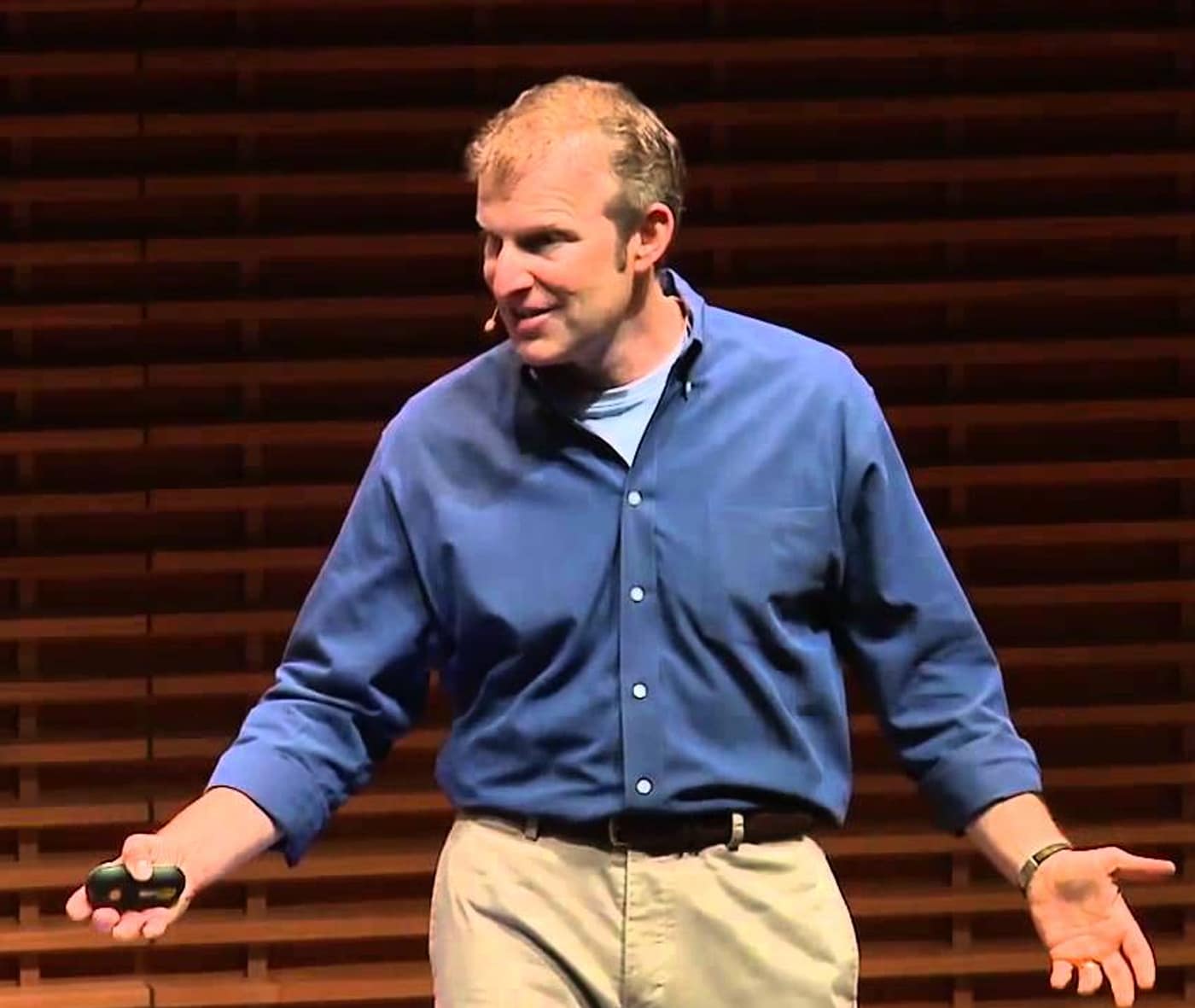
Matt Abrahams is a leading expert in communication with decades of experience as an educator, author, podcast host, and coach. As a Lecturer in Organisational Behaviour at Stanford University’s Graduate School of Business, he teaches popular classes in strategic communication and effective virtual presenting. He hosts the award-winning podcast Think Fast, Talk Smart.
In his new book “Think Faster, Talk Smarter: How to Speak Successfully When You”re Put on the Spot’, he offers six steps to help improve your spontaneous speaking skills, including how to think faster, manage your anxiety, and structure everything from feedback to small talk to make it more engaging and productive for everyone involved.
Summary
(03:15) Why we are afraid of public speaking
Studies show that it’s innate to being human
Whenever our status is at risk it makes sense that we would be nervous
We see the fear across all cultures
Anxiety around speaking typically develops when kids become early teenagers
(05:55) How to manage our anxiety about public speaking
There are lots of tactical drills in the book Think Faster, Talk Smarter
‘The best way to learn communication is to do communication’
Upwards 75% of us feel anxiety in high-stakes situations
We can manage our anxiety but never truly calm it
We have to manage symptoms and sources
Symptoms are the things we physiologically experience, and sources are the things that initiate the anxiety and exacerbate it
The single best thing you can do is a deep belly breath ‘ you want the exhalation to be twice as long as the inhale
‘Everybody can find something to help’
(11:05) How to control negative self-talk
Make sure that we practice the different techniques and that we take time to record ourselves and listen
Have a positive mantra to say to yourself
Have a question prepared in case you blank or lose your train of thought, which will help bring you back on track
(15:47) Letting go of perfectionism
The drive to be perfect actually works against us
Be aware of cognitive load: ‘If I’m judging and evaluating everything I’m saying at the same time as I’m saying it, I have less cognitive focus and attention on what I’m actually saying’
Turn down the volume of perfection and focus on the connection
If we focus on just getting it done, we actually recruit more cognitive bandwidth to do it well
Try it in lower-stakes situations so you begin to build faith in the benefit
(18:22) How the simple word ‘because’ can influence people’s actions
Tina Seelig’s $5 challenge
One team was able to make $650 dollars in doing so demonstrating how one’s own ‘privileges’ can preclude them from seeing their best solution
It is not about not what you can do to make the most money, but what you have that’s most valuable
It’s about asking the right questions
(21:17) Spontaneous speaking
Prepare to be spontaneous
Matt shares four mind shifts in his book
Reframing challenges as opportunities in public speaking
(28:13) How to blend in your listening skills whilst speaking
Listening is crucial for effective communication
Many people often treat it as a means to wait for their turn to speak
Barriers to effective listening include physical noise (external disturbances), psychological noise (internal thoughts and judgments), and physiological noise (bodily conditions like tiredness or hunger)
Focusing on the bottom line of what the speaker is saying, rather than just getting the gist, enhances active listening and helps to understand the core message
Use clarifying questions
(31:28) Overcome anxiety about public speaking by effectively structuring your speeches
Our brains struggle to process information presented as lists, so communicate with connections and a clear beginning, middle, and end
A narrative or framework includes the problem-solution-benefit structure
It packages information for better audience digestion
Various structures like comparison-contrast, past-present-future, or STAR (situation, task, analysis, results) can simplify the process of deciding what to say and how to say it
(35:10) How to make your messages memorable and emotionally resonant in speeches or presentations
Make content relevant and relate it to the audience’s interests
Utilise storytelling, questions, analogies, and strategic repetition for engagement
Consciously make efforts to help people remember and engage with content
(38:35) The connection between storytelling and leadership communication
Matt’s mother once said this about the power of simplicity: ‘Tell the time, don’t build the clock’
Have a focus message as attention is precious in a busy environment
Maintain attention with concise, clear, and relevant communication
Define a clear goal with aspects of information, emotion, and action
Practice pattern recognition for engagement
(40:43) How to be less awkward with small talk
‘Be Interested, Not Interesting’ ‘ Rachel Greenwald
Approach small talk with questions
Ease pressure on yourself
Ask follow-up questions and show interest
Follow the podcast
The 1% Podcast brings together the 3Ps of People, Professions and Performance. We chat to top-class performers from eclectic areas (sport, business, politics, art etc.) to extract the tactics, tools and routines you can use to get 1% better and achieve success.
" height="24px" id="v04r379mL" transform="translate(2 0)" width="19.536000000000005px"/></svg>)
" height="23.999264284236244px" id="ghOdDMk_v" transform="translate(0.001 0)" width="24.000264254861435px"/></svg>)