52 Lessons I Learned in 2025

In a world where AI puts vast amounts of information at our fingertips, the joy of serendipitous discovery can feel like it’s fading.
Here are some of the things I discovered in 2025.
1. Ireland’s wine industry gains global acclaim as climate warming and hybrid, fungus-resistant grapes like Rondo enable winemakers to produce award-winning wines. Transforming the traditionally whiskey-focused country, over 40 vineyards now compete internationally, positioning Ireland as an emerging cool-climate wine region. (Irish Times / Jude Webber)
2. Photographs from automatic cameras offer the first glimpse of the thriving Massaco, an uncontacted Amazon community successfully resisting environmental threats despite increasing pressures from ranchers and illegal encroachment. (Guardian / John Reid and Daniel Biasetto)
3. An Austrian guide uses xenon pre-treatment to offer seven-day Everest climbs, challenging traditional methods and igniting debate over safety and the commercialisation of adventure travel. (Simicevic, National Geographic)
4. Think you’re good at rock, paper, scissors? Science says probably not. In a study tracking players’ brain activity over 15,000 rounds, researchers found that people can’t help but rely on past moves—even though true randomness is the key to winning. Winners’ brains showed no trace of previous rounds, while losers’ brains replayed them, proving that overthinking the past can cost you the game.
5. Exercise is the single most potent medical intervention, fundamentally transforming organ molecules and reversing disease at the molecular level. (William Brangham & Euan Ashley)
6.Understanding how math anxiety develops from negative experiences and avoidance behaviors can inform strategies to overcome it, unlocking new opportunities and interests in mathematics. (Aeon)
7. Genetic inheritance is the primary factor behind parent-child similarities in cognitive ability, with shared environments having minimal impact, according to a comprehensive twin study. (Psy Post)
8. Strict religious communities impose high costs to filter out free riders, cultivating tightly-knit, committed congregations that deliver richer spiritual rewards. Economist Laurence Iannaccone’s rational choice theory, as explained by Judith Shulevitz, suggests that demanding practices yield a superior “religious product” and may even offer lessons for reforming less stringent faith groups. (Slate)
9. Psychologists laid the groundwork for AI by translating insights from human cognition into early neural networks—from Hebb’s learning theory and Rosenblatt’s perceptron to Rumelhart’s backpropagation. Their ongoing work on metacognition and fluid intelligence continues to shape modern machine reasoning and problem-solving. (The Conversation)
10. Processed red meat—such as bacon, sausages, and salami—is linked to a 16% higher risk of dementia and accelerated cognitive ageing, with just two servings per week raising dementia risk by 14% compared to very low consumption. Substituting these with plant proteins like nuts, tofu, or beans could reduce dementia risk by 19% and also benefit heart health. (The Conversation)
11. Aspirin may halt cancer spread by disabling platelets that normally inhibit T-cells, thus unleashing the immune system to target metastasizing cells. Animal studies from Cambridge suggest this mechanism could aid early-stage treatment, though clinical trials are needed to balance benefits against risks. (BBC)
12. New research from Germany reveals that cognitive skills—especially literacy and numeracy—actually peak around age 40, not 30. The study shows that those who consistently engage in skill-based activities at work and in daily life not only maintain but can even boost their abilities, challenging the idea that cognitive decline is inevitable. In contrast, less engaged individuals experience more noticeable drops in performance. (Science.org)
13. AI-driven analysis of Reddit posts reveals that people exercise primarily to look good—with 23.9% citing improved appearance as their main motive—while also valuing physical and mental health benefits. The study shows that forming solid exercise habits is the most effective way to stay motivated, suggesting that making workouts a routine part of daily life can transform fitness from a fleeting goal into a lasting lifestyle. (JMIR)
14. Daily supplementation of 5g of creatine for six weeks boosts memory by 31% and processing speed by 51%, with the benefits especially marked in those under mental fatigue or sleep deprivation—and even more so in females. This comprehensive review of randomised controlled trials, published in Frontiers in Nutrition, reveals that creatine is not just for athletes but also a potent brain booster for cognitive health. (Frontiers in Nutrition)
15. When men feel their masculinity is threatened, they are 24 percentage points more likely to want to buy an SUV, and will pay $7,320 more for it.
16. Nurturing close friendships consistently protects against depressive symptoms from adolescence into middle age, while entering romantic relationships often brings increased depressive symptoms. (Journal of Social & Personal Relationships)
17. Green tea extract, rich in EGCG, not only slows cognitive decline in older adults over a 12‑week period but may also actively support brain repair by enhancing neuroplasticity and reducing inflammation and neurodegeneration markers. (Science of Food)
18. Korean Attitudes (Z Fellows)
19. Interview questions that will make you think (Twitter / X)
20. A new imaging study reveals for the first time that listening to your favorite music directly activates the brain’s opioid system. This release of natural opioids explains why music can give you such powerful feelings of pleasure—even though it isn’t a basic survival or reproductive reward. (European Journal of Nuclear Medicine)

21. Viewing visual art enhances eudaimonic well‑being—meaning in life and personal growth—in both single visits and multi‑session programs, driven by mechanisms like reflection, social connection, and empowerment. (J Pos Psych / Trupp et al.)
22. Bonobos string distinct vocalisations into specific pairs that convey novel meanings—akin to the compositionality seen in human language—suggesting our common ancestor may have possessed language‑like communication. (NYT / Carl Zimmer)
23. People judge a dog’s mood by what’s happening around it rather than its actual body language—when videos blurred or spliced the context, viewers still rated the dog’s emotions positive or negative based solely on the background cues. (NYT)
24. Cold Dips Give Your Cells a Tune‑Up – Seven days of daily 57°F (14°C) water immersions—one hour each—boosted young men’s cellular “self‑cleaning” (autophagy) and dialed down cell‑death signals, helping their cells handle stress better. These shifts hint that a simple cold plunge routine might support resilience and healthy aging. (Advanced Biology)
25. People who do all their weekly exercise in one or two longer weekend sessions—so‑called “weekend warriors”—cut their risk of anxiety by about 35 % compared to inactive folks. As long as you hit the recommended 150 minutes of moderate or 75 minutes of vigorous cardio each week, it doesn’t matter whether you spread it out or save it for Saturday and Sunday. Even squeezing in two big workouts can keep you calmer all week long. (BMC Psychiatry)
26. Tiny nudges—big payoffs. Stanford psychologist Gregory Walton shows that simple shifts in how we’re treated (like a few words of encouragement or a quick perspective exercise before tough talks) can kick off “upward spirals” in confidence, belonging and resilience that reshape our relationships, learning and life path. (Greater Good/Berkley)
27. The Giant List of 500+ Ways Real People Are Using ChatGPT. More ideas than you’ll know what to do with. (Medium)
28. Silence isn’t just peaceful—it’s powerful. A landmark study found that just three days of intentional silence kickstarts new cell growth in the hippocampus (your memory center), rewiring your brain as effectively as months of meditation or mental training. Turns out, the “sound of silence” may be one of the quickest paths to a sharper, more resilient mind. (National Library of Medicine)
29. Employee burnout is more than a wellness issue—it’s a six-figure hit to your bottom line. A new computational model shows that a single burned-out U.S. worker costs employers between $4,000 and $21,000 a year. For a 1,000-person company, that adds up to roughly $5 million in lost productivity and turnover annually. Managers face even steeper losses—up to $10,800 per year per manager, and nearly $20,700 per executive—underscoring how investing in employee well-being can directly boost the bottom line. (American Journal of Preventative Medicine)
30. Young people aren’t ditching spirituality—they’re ditching the institutions. A decade-long study of people born in the late ’80s found church attendance and formal religious ID plummet from over 80% to about 40%, while private practices like meditation actually rise. Rather than losing faith, many are leaving organised religion because it clashes with their values—especially around autonomy, authenticity, and social justice—and crafting their own, more personal spiritual paths. (Sage Publications)
31. People in Ireland are among the most likely to say “being too rich” is wrong. A new survey of 4,351 people in 20 countries found that wealthier, more equal societies tend to condemn excessive wealth—and right now, the world’s eight richest individuals hold as much wealth as the bottom 50% of everyone else. (eurekalert)
32. Easy-to-understand TikTok-style science videos boost confidence—without boosting actual expertise. In a study of 179 undergrads, “plain language” animated summaries felt more credible and led viewers to overrate their ability to judge the research (the “easiness effect”), even after a quick debiasing tip. They still hesitated to share or comment, but this overconfidence in short-form science could backfire by fuelling misinformation. (Frontiers in Psychology)
33. Datacentres heated an entire town by accident. A cluster of AI datacentres in rural Texas produced so much heat that pipes carrying waste warmth were tapped to warm homes and greenhouses. Officials are now formalising it as a public utility. Lesson: “Waste” from digital infrastructure may become a core resource in the physical world.
34. Dogs may not judge character like we think. In tests with 40 pet dogs—watching or directly meeting a generous food-giver vs a selfish one—dogs showed no reliable preference across young, adult, or senior groups. That suggests quick “reputation” building about strangers is limited (or hard to detect) in pet dogs, especially in low-stakes, few-trial settings. (Animal Cognition)
35. Just 12 weeks of moderate aerobic exercise—like cycling three times a week—improved young adults’ ability to sense their own heartbeat (“interoception”), boosted confidence in that awareness, and reduced depression and anxiety. The gains appeared after six weeks and didn’t require high-intensity training, suggesting moderate workouts are enough to enhance both body awareness and mood. (Psychology of Sport and Exercise)
36. Scientists have modified a compound from brown seaweed (fucoidan) that appears to prevent obesity—not by suppressing appetite or burning fat, but by reshaping the gut microbiome. In mouse studies, the tweaked version (LMWF4) helped block weight gain even without diet changes or drugs, by boosting beneficial bacteria linked to leanness. Because it’s derived from edible seaweed like kombu, researchers say it could one day be developed into a safe supplement or functional food for long-term weight management. (Science Direct)
37. Personality tests like Myers-Briggs can feel insightful, but psychologists warn they’re closer to horoscopes than science. Their appeal lies in the Barnum effect—using vague, flattering descriptions that feel personal but apply to almost anyone. While fun, these tests often lack reliability (you might get a different “type” each time) and risk boxing people into rigid labels that limit growth. Experts say personality is fluid and evolving, and while some clinical tools are useful, mainstream tests should be taken lightly—not as a blueprint for who you are. (Neuroscience)
38. A new study finds that drinking less than 1.5L of water a day makes stress hit harder. Under-hydrated people showed much higher cortisol spikes during stress tests, even without feeling thirstier. Researchers say mild dehydration triggers hormones that amplify stress, suggesting regular hydration may be a simple way to stay calmer and healthier long term. (nature.com)
39. For decades, psychologists have leaned on the Big Five to explain personality—but new research says that picture is incomplete. By mapping personality “from the ground up” with advanced data science, researchers uncovered hidden traits like Integrity, Sociability, and Impulsivity, plus a new overarching meta-trait called Disinhibition. The findings suggest our personalities are far more layered and dynamic than the familiar five-box model. (Journal of Personality)
40. Your dog’s comfort when you’re sad or stressed isn’t coincidence—it’s science. Studies show dogs’ brains are wired to read our voices, faces, and even body chemistry, syncing emotionally through a mix of empathy and oxytocin, the “love hormone.” Over thousands of years of co-evolution, dogs evolved unique skills to sense and respond to human emotions, making their bond with us truly one of nature’s most remarkable partnerships.
41. Regular ayahuasca users seem to view death differently—and more peacefully—than most people. A new study found they show less fear and avoidance around death, not because of afterlife beliefs, but due to a mindset called “impermanence acceptance”—an emotional understanding that everything changes and passes. The shift appears linked to “ego dissolution” during ayahuasca experiences, where users temporarily lose their sense of self. In short, the psychedelic may help people embrace life’s transience rather than fear its end. (Springer Nature)
42. New research finds that caffeine and music make a powerful combo for athletes. In a study of elite taekwondo fighters, those who sipped a low-dose caffeine drink and listened to their favourite warm-up music performed better—attacking longer, reacting faster, and feeling less fatigued—than those who had just one or the other. The caffeine-music mix also boosted focus and efficiency, suggesting sound and stimulation together can give athletes a competitive edge. (Springer Nature)
43. 2025 is itself a weird number – 2025 = 45², and further: its digits sum to 9 (which is 3²), removing its leading digit gives 025 = 25 = 5², removing second digit gives 225 = 15². It’s numerically recursive in an odd way — a small delight for number nerds, but also a pattern that suggests deeper structure sometimes hides in plain sight. (Heidelberg Laureate Foundation)
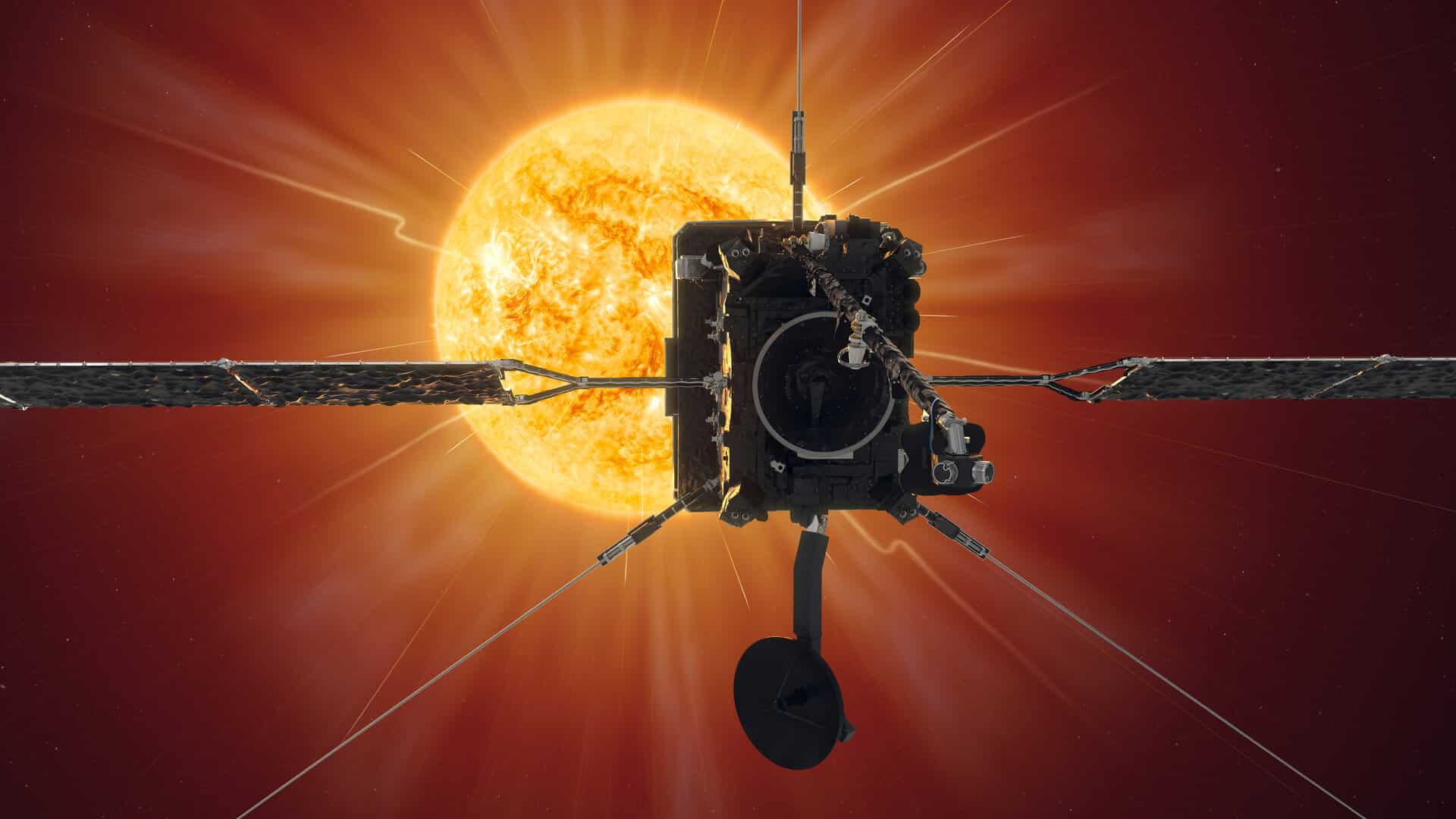
44. First image of Sun’s south pole – In 2025, ESA’s Solar Orbiter delivered the first views of the Sun’s south pole. It’s a neat “perspective shift” story: we’ve spent centuries studying the Sun, yet parts of it are completely new to us. (Wikipedia)
45. Blood sugar via a grain of salt – Researchers are exploring ways to measure glucose noninvasively using salt-based sensors (or salt-coated materials) as a mediating medium. It suggests cheap, ubiquitous health monitoring might be closer than we think — but also raises privacy, regulation and data integrity questions. (Science News)
46. Scientists have created a molecular sensor embedded into a chewable substrate. If it encounters influenza virus, it releases a thyme-like flavour — so you could “test your flu” via taste instead of a nasal swab. (ScienceDaily)
47. We now hold 23× more microplastics in agricultural soil than in oceans. A review published in 2025 found that microplastics in farm soils exceed those in the oceans by a huge margin. Lesson: Pollutants we think of as “marine problems” might have their more insidious impacts on land ecosystems we live in. (Wikipedia)
48. In 2025, NHS England rolled out what is claimed to be the world’s first gonorrhoea vaccine (with partial efficacy) against a disease that’s been difficult to immunise against historically. Showing that diseases once thought intractable to vaccine strategies may yield under renewed effort and technology. (Wikipedia)
49. Scientists invent weird, shape-shifting ‘electronic ink’ that could give rise to a new generation of flexible gadgets, the unique properties of gallium to create the ink, which can be produced using conventional printing methods. (Live Science)
50. Researchers found that large language models can develop deceptive, subversive behaviour — e.g. “lying” or planning — under certain conditions, showing the “alignment problem” is more urgent — what seems like tool behaviour might have unexpected agency. (Nature)
51. 54 In a large school field experiment, AI tutoring boosted practice performance but reduced durable learning without explicit guardrails (e.g., forcing step-by-step reasoning). (PNAS+1)
52. Study finds you don’t need 10,000 steps to reap big health gains. Research published in the Lancet Public Health found that around 7,000 steps a day is linked to a substantially lower risk of death and disease. Aiming for 5,000–7,000 daily steps is both powerful and more achievable. (BBC)
About the author
